Peacebuilding Through Theatrics & Dialogue presentsتھیٹر اور مکالمے کے ذریعے قیامِ امن پیش کرتا ہے
Hate for Saleنفرت برائے فروخت
A play in five acts, performed by the youth of the projectپانچ ایکٹ پر مشتمل ڈراما، منصوبے کے نوجوانوں کی پیشکش
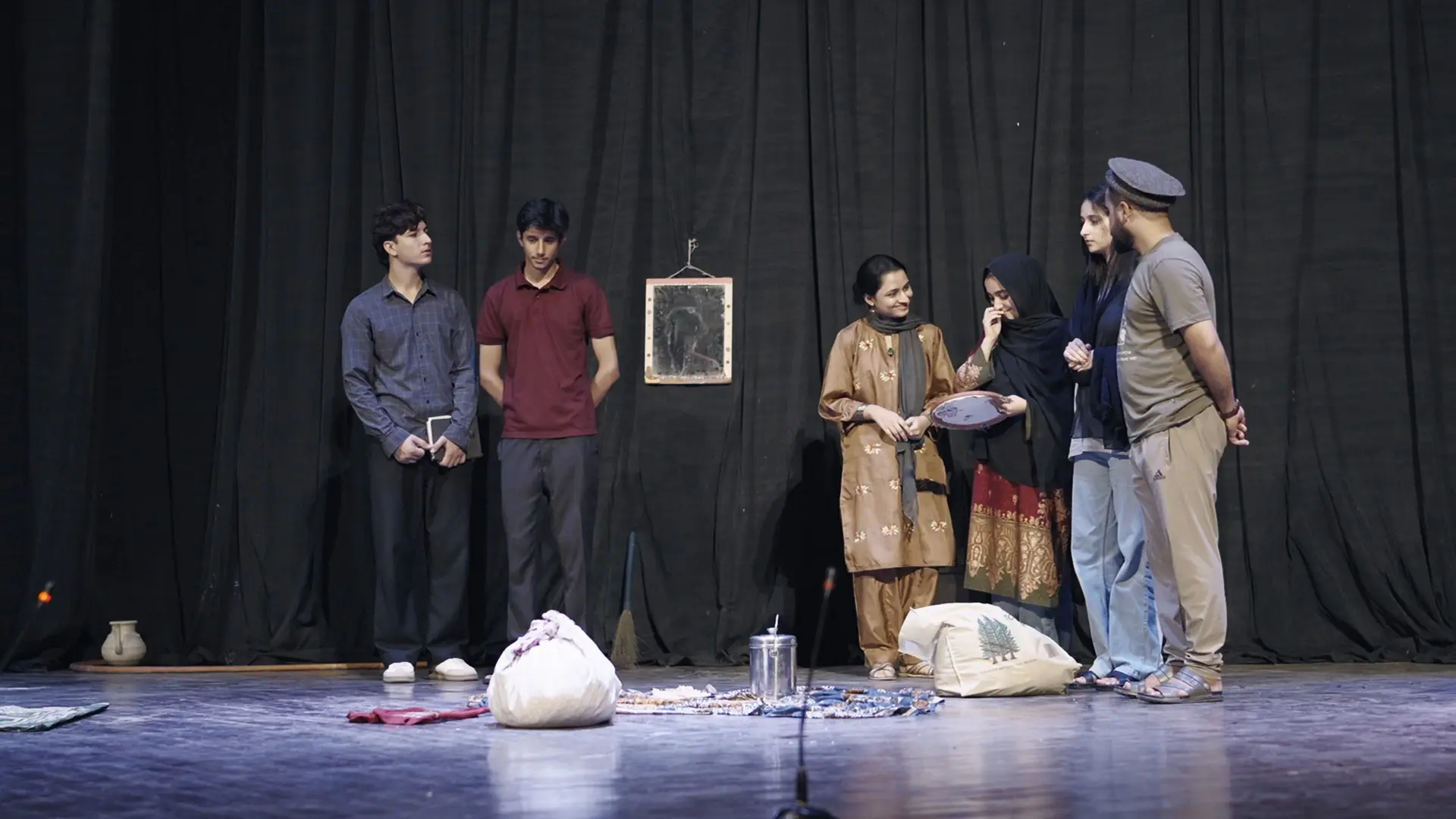
On August 8, 2026, the young people of this project performed Hate for Sale on the historic stage of Alhamra: the closing night of a four-month peacebuilding project between Punjabi and Pashtoon youth.۸ اگست ۲۰۲۶ء کو اس منصوبے کے نوجوانوں نے الحمرا کے تاریخی اسٹیج پر نفرت برائے فروخت پیش کی: پنجابی اور پشتون نوجوانوں کے درمیان چار ماہ پر محیط قیامِ امن منصوبے کی اختتامی شام۔
Hate for Sale is where a four-month project ended in public. Peacebuilding Through Theatrics and Dialogue ran from May to August 2026: written at the International Student House of Washington, DC, funded by a Davis Projects for Peace grant, and carried out in Lahore with sixteen participants, eight Punjabi and eight Pashtoon, men and women aged 18 to 28. Eight weeks of workshops stood at the center; the months around them went to planning, team, and logistics. The participants began with foundational workshops on empathy and inherited narrative, then moved into participatory theatre labs where civilian accounts, letters, diaries, and oral histories became scenes. On August 8, 2026, what they built there was performed at Alhamra: five acts, performed by the young people themselves, followed by an open dialogue with the audience.نفرت برائے فروخت وہ مقام ہے جہاں چار ماہ کا ایک منصوبہ سب کے سامنے اختتام پذیر ہوا۔ تھیٹر اور مکالمے کے ذریعے قیامِ امن مئی سے اگست ۲۰۲۶ء تک جاری رہا: یہ واشنگٹن ڈی سی کے انٹرنیشنل اسٹوڈنٹ ہاؤس میں تحریر ہوا، ڈیوس پراجیکٹس فار پیس کی گرانٹ سے چلا، اور لاہور میں سولہ شرکاء کے ساتھ پروان چڑھا: آٹھ پنجابی اور آٹھ پشتون، مرد و خواتین، عمریں ۱۸ سے ۲۸ سال۔ اس کے مرکز میں آٹھ ہفتوں کی ورکشاپس تھیں؛ باقی مہینے منصوبہ بندی، ٹیم اور انتظامی کام میں صرف ہوئے۔ آغاز ہمدردی اور ورثے میں ملے بیانیوں پر بنیادی ورکشاپس سے ہوا، پھر شراکتی تھیٹر لیبز میں شہری بیانات، یعنی خطوط، ڈائریاں اور زبانی تاریخیں، مناظر کی صورت اختیار کر گئے۔ ۸ اگست ۲۰۲۶ء کو وہی کام الحمرا کے اسٹیج پر پیش ہوا: پانچ ایکٹ، خود نوجوانوں کی پیشکش، اور اس کے بعد حاضرین کے ساتھ کھلا مکالمہ۔
The run of showشام کی ترتیب
August 8, Hall 1 at Alhamra. Gates opened at 6:40 PM and the evening concluded by 8:15 PM.۸ اگست، الحمرا کا ہال نمبر ۱۔ دروازے شام ۶:۴۰ پر کھلے اور تقریب ۸:۱۵ تک اختتام پذیر ہوئی۔
6:40 PMشام ۶:۴۰
Gates openedدروازے کھلے
7:00 PMشام ۷:۰۰
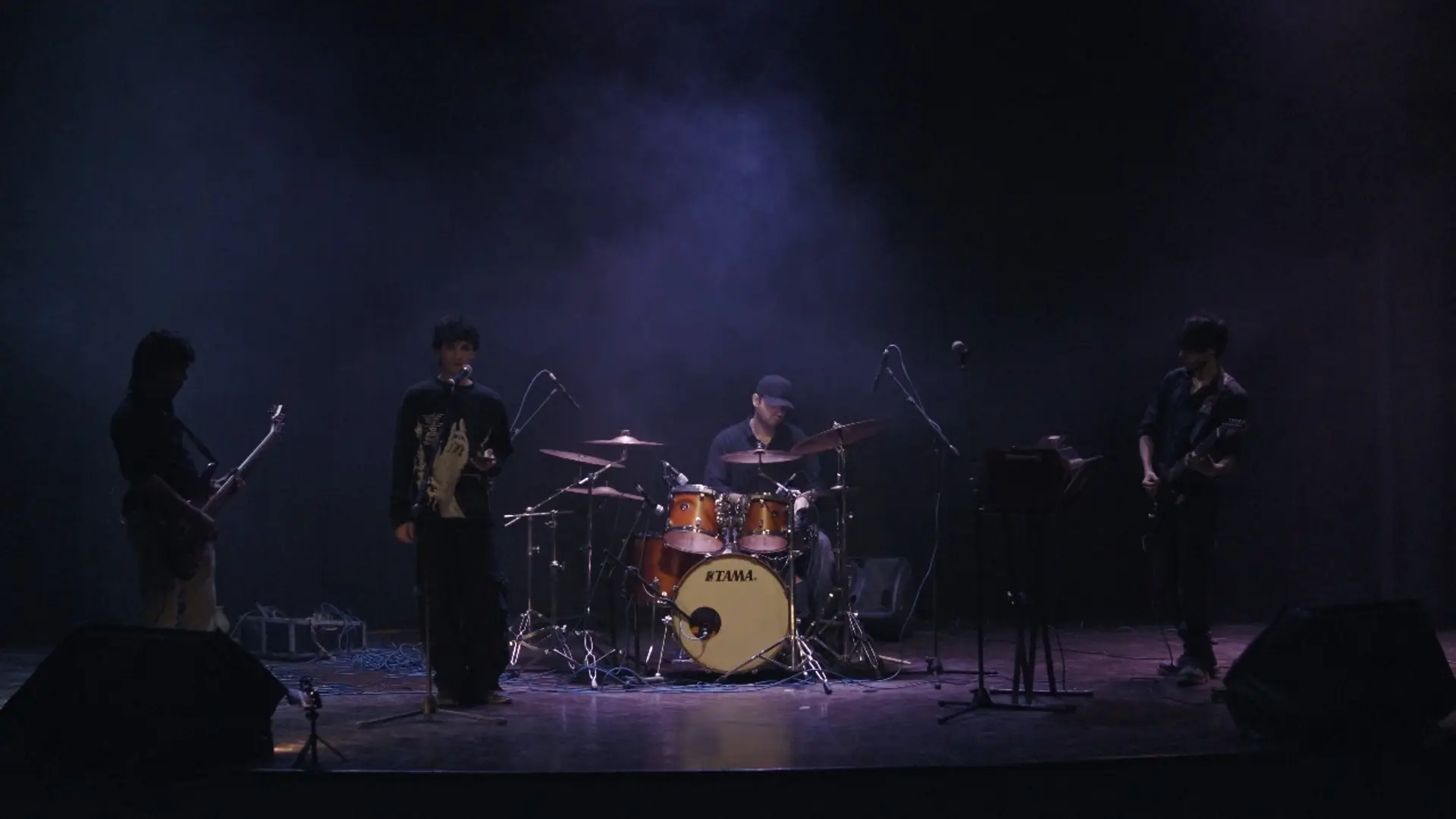
The show opened with a set from Khaakآغاز، خاک کی پرفارمنس کے ساتھ ہوا
7:30 PMشام ۷:۳۰
The play: Hate for Saleڈراما: نفرت برائے فروخت
8:15 PMشام ۸:۱۵
The evening concludedتقریب کا اختتام
Hate for Sale · five actsنفرت برائے فروخت · پانچ ایکٹ
IWhere I Come Fromمیں کہاں سے ہوں
IIWhat I Was Toldمجھے کیا بتایا گیا
IIIThe Story That Was Never Toldوہ کہانی جو کبھی سنائی نہ گئی
IVHardship Has No Addressدکھ کا کوئی پتا نہیں ہوتا
VAn Open Questionایک کھلا سوال
Short film · in productionمختصر فلم · زیرِ تولید
The Prologueپیش لفظ
It carries the audience from Washington to Lahore through fragments of the workshops, and stops at the threshold of the stage.یہ سامعین کو واشنگٹن سے لاہور تک لاتی ہے، ورکشاپس کے مناظر سے گزارتی ہے اور اسٹیج کی دہلیز پر رک جاتی ہے۔
Documentary · in productionدستاویزی فلم · زیرِ تولید
The Documentaryدستاویزی فلم
Filmed at the International Student House in Washington, where students from countries in conflict live under one roof, and inside the project in Lahore. Narrated by the project’s lead in a plain, observational style, it follows how people learn to live with difference, and carries that question home to Pakistan.واشنگٹن کے انٹرنیشنل اسٹوڈنٹ ہاؤس میں فلمائی گئی، جہاں باہم متصادم ممالک کے طلبہ ایک ہی چھت تلے رہتے ہیں، اور لاہور میں منصوبے کے اندر بھی۔ منصوبے کے سربراہ کی زبانی، سادہ اور مشاہداتی انداز میں، یہ فلم دیکھتی ہے کہ لوگ اختلاف کے ساتھ جینا کیسے سیکھتے ہیں، اور یہی سوال پاکستان لے آتی ہے۔
Both films are in production and release by the end of September 2026. Stay tuned.دونوں فلمیں زیرِ تولید ہیں اور ستمبر ۲۰۲۶ء کے اختتام تک جاری ہوں گی۔ نظر رکھیے۔
The stories we inheritوہ کہانیاں جو ہمیں ورثے میں ملتی ہیں
Long before a stereotype hardens into policy, it starts as a joke at a dinner table. It gets repeated in a schoolyard. A whole community gets summed up in a single word. Hate is not born; it is sold, retold, and inherited.کسی دقیانوسی سوچ کے پالیسی بننے سے بہت پہلے، وہ کھانے کی میز پر ایک لطیفے کے طور پر جنم لیتی ہے۔ اسکول کے صحن میں دہرائی جاتی ہے۔ ایک پوری برادری ایک ہی لفظ میں سمیٹ دی جاتی ہے۔ نفرت پیدا نہیں ہوتی؛ وہ بیچی جاتی ہے، دہرائی جاتی ہے، اور ورثے میں ملتی ہے۔
“Growing up in Punjab, I was socialized into a cultural environment where making stereotypical jokes about Pashtoons, often called Pathans, was normalized and rarely questioned. These jokes routinely portrayed a whole community as intellectually inferior, socially backward, or inherently violent, and circulated in schools, peer groups, and family conversations as casual humor. The harm was never in any single joke. It was cumulative: the slow normalization of unequal recognition, and the erosion of empathy toward a community marked as permanently ‘other’.””پنجاب میں پرورش پاتے ہوئے میری تربیت ایک ایسے ثقافتی ماحول میں ہوئی جہاں پشتونوں، جنہیں عام بول چال میں پٹھان کہا جاتا ہے، کے بارے میں دقیانوسی لطیفے بنانا معمول تھا اور اس پر شاذ ہی سوال اٹھایا جاتا تھا۔ یہ لطیفے مسلسل ایک پوری برادری کو ذہنی طور پر کمتر، سماجی طور پر پسماندہ، یا فطری طور پر پرتشدد بنا کر پیش کرتے، اور اسکولوں، دوستوں کے حلقوں اور خاندانی گفتگو میں محض ہلکے پھلکے مذاق کے طور پر گردش کرتے۔ نقصان کبھی کسی ایک لطیفے میں نہیں تھا۔ وہ جمع ہوتا رہا: غیر مساوی پہچان کا دھیرے دھیرے معمول بن جانا، اور اس برادری کے لیے ہمدردی کا مٹتے جانا جسے مستقل طور پر ’غیر‘ ٹھہرا دیا گیا ہو۔“
These representations did not emerge from nowhere. They draw on older colonial and postcolonial narratives that framed Pashtoon communities through tropes of primitiveness and unruliness, later reinforced by the securitization of Pakistan’s western frontier and state-centered discourses of internal threat. Over time, ethnic difference became legible through ridicule, exclusion, and moral distancing rather than open hostility, and schools, youth spaces, and informal peer groups became the sites where it was actually lived: through bullying, ethnic labeling, and unequal confidence in accessing authority or opportunity.یہ تصورات کہیں سے بھی نہیں آئے۔ یہ استعماری اور مابعد استعماری بیانیوں سے جنم لیتے ہیں جنہوں نے پشتون برادریوں کو پسماندگی اور سرکشی کے تاثرات میں ڈھالا، اور جنہیں بعد میں پاکستان کی مغربی سرحد کی سیکورٹائزیشن اور اندرونی خطرے کے ریاستی بیانیوں نے مزید تقویت دی۔ وقت کے ساتھ نسلی فرق کھلی دشمنی کی بجائے تمسخر، اخراج اور اخلاقی فاصلے کے ذریعے نمایاں ہوتا گیا، اور اسکول، نوجوانوں کی جگہیں اور غیر رسمی دوستانہ حلقے وہ مقامات بن گئے جہاں یہ دراصل جیا جاتا تھا: تنگ کرنے، نسلی لیبل لگانے، اور اختیار یا مواقع تک رسائی میں غیر مساوی اعتماد کے ذریعے۔
Formal peacebuilding rarely touches these perceptions. It tends to work through political histories, security debates, and elite negotiation, while the everyday experience of fear, care, loss, and resilience is left out of the room. This project begins with that experience instead, and with a conviction drawn from the research behind it: empathy is not a fixed trait. It is a trainable, relational skill, built through shared experience rather than argument.رسمی قیامِ امن ان تاثرات کو شاذ و نادر ہی چھوتا ہے۔ اس کا رخ عموماً سیاسی تاریخ، سلامتی کی بحثوں اور اعلیٰ سطحی مذاکرات کی طرف رہتا ہے، جب کہ روزمرہ کا تجربہ، یعنی خوف، محبت، نقصان اور حوصلہ، کمرے سے باہر رہ جاتا ہے۔ یہ منصوبہ اسی تجربے سے آغاز کرتا ہے، اور اس تحقیق سے حاصل یقین کے ساتھ جو اس کی بنیاد ہے: ہمدردی کوئی پیدائشی خصلت نہیں۔ یہ ایک قابلِ تربیت، تعلقاتی مہارت ہے، جو دلیل کی بجائے مشترکہ تجربے سے تعمیر ہوتی ہے۔
Aboutتعارف
From Washington to Lahoreواشنگٹن سے لاہور تک
The project was written at the International Student House of Washington, DC, a residence where students from countries in open conflict share one roof, and was funded by a Davis Projects for Peace grant. The grant paid for facilitators, venues, participant transport and stipends, workshop materials, and documentation.یہ منصوبہ واشنگٹن ڈی سی کے انٹرنیشنل اسٹوڈنٹ ہاؤس میں تحریر ہوا: ایک ایسی رہائش گاہ جہاں باہم متصادم ممالک کے طلبہ ایک ہی چھت تلے رہتے ہیں۔ اسے ڈیوس پراجیکٹس فار پیس کی گرانٹ حاصل رہی، جس نے سہولت کاروں، مقامات، شرکاء کی آمد و رفت اور وظائف، ورکشاپ کے سامان اور دستاویز بندی کا خرچ اٹھایا۔
In Lahore, across four months from May to August 2026, it brought together sixteen young people, side by side: eight from the Punjabi community and eight from the Pashtoon community, men and women aged 18 to 28. Eight weeks of workshops stood at the center of those months; the weeks around them carried the planning, team-building, and logistics that made the workshops possible. The sessions combined theatre-based learning, historical reflection, and guided dialogue. No positions were debated. The raw material was civilian: letters, diaries, oral histories, and documented experiences of everyday prejudice and belonging.لاہور میں، مئی سے اگست ۲۰۲۶ء تک چار مہینوں میں، یہ منصوبہ سولہ نوجوانوں کو شانہ بشانہ یکجا کرتا ہے: آٹھ پنجابی برادری سے اور آٹھ پشتون برادری سے، مرد و خواتین، عمریں ۱۸ سے ۲۸ سال۔ ان مہینوں کا مرکز آٹھ ہفتوں کی ورکشاپس تھیں؛ اطراف کے ہفتوں میں وہ منصوبہ بندی، ٹیم کی تعمیر اور انتظامی کام جاری رہا جس نے انہیں ممکن بنایا۔ سیشنز میں تھیٹر پر مبنی تعلیم، تاریخی غور و فکر اور رہنمائی شدہ مکالمہ یکجا ہوا۔ کسی مؤقف پر بحث نہیں ہوئی۔ خام مواد شہری زندگی سے آیا: خطوط، ڈائریاں، زبانی تاریخیں، اور روزمرہ تعصب اور تعلق کے دستاویزی تجربات۔
By embodying someone else’s account on a stage, each participant practiced reading the other side as people rather than positions. The summer ended in public: one play, Hate for Sale, performed at Alhamra on August 8, 2026.اسٹیج پر کسی اور کی کہانی کو اپنا کر ہر شریک نے یہ مشق کی کہ دوسری طرف کو مؤقف نہیں، انسان سمجھ کر دیکھے۔ موسمِ گرما کا اختتام سب کے سامنے ہوا: ایک ڈراما، نفرت برائے فروخت، ۸ اگست ۲۰۲۶ء کو الحمرا میں پیش۔
The methodطریقۂ کار
Three phases, drawn directly from the project’s proposal.تین مراحل، براہِ راست منصوبے کی تجویز سے۔
I
Foundational workshopsبنیادی ورکشاپس
Empathy, narrative framing, perspective-taking. Participants examined how ethnic identity and conflict are represented in textbooks, media, and everyday talk: whose voices are amplified, and whose are missing.ہمدردی، بیانیے کی تشکیل، دوسرے کے زاویے سے دیکھنا۔ شرکاء نے جائزہ لیا کہ نصابی کتب، میڈیا اور روزمرہ گفتگو میں نسلی شناخت اور تنازع کیسے پیش ہوتے ہیں: کس کی آواز نمایاں ہے اور کس کی غائب۔
II
Participatory theatre labsشراکتی تھیٹر لیب
In small mixed groups, civilian accounts became short theatrical pieces. Role-reversal and perspective-switching exercises asked each participant to inhabit an experience they were taught to look away from. The phase closed with a small sharing session for educators, parents, and community members.چھوٹے مخلوط گروہوں میں شہری بیانات مختصر تھیٹر پاروں کی شکل اختیار کر گئے۔ کردار بدلنے اور زاویہ بدلنے کی مشقوں نے ہر شریک سے تقاضا کیا کہ وہ اُس تجربے میں داخل ہو جس سے نظر چرانا اسے سکھایا گیا تھا۔ اس مرحلے کا اختتام اساتذہ، والدین اور اہلِ محلہ کے لیے ایک مختصر پیشکش پر ہوا۔
III
Facilitated community dialogueرہنمائی شدہ کمیونٹی مکالمہ
Every performance was followed by guided dialogue: reflection rather than debate. The audience was invited to answer honestly: what shifted, what unsettled, what stayed.ہر پرفارمنس کے بعد رہنمائی شدہ مکالمہ ہوا: بحث نہیں، غور و فکر۔ حاضرین سے دعوت کی گئی کہ سچائی سے بتائیں: کیا بدلا، کس چیز نے بے چین کیا، کیا باقی رہا۔
Theatre, here, is not display. It is rehearsal: a way to inhabit a life you were taught to look away from, and to let an audience watch you do it.یہاں تھیٹر نمائش نہیں ہے۔ یہ مشق ہے: اس زندگی میں داخل ہونے کا راستہ جس سے نظر چرانا آپ کو سکھایا گیا تھا، اور یہ سب کچھ سامعین کی آنکھوں کے سامنے کرنے کا حوصلہ۔
The project is explicitly non-political and non-militarized. No national positions are argued and no battles are reenacted; nationalist symbols and militarized imagery stay off the stage. Community workers, theatre artists, psychologists, and regional experts advise every phase of the work.یہ منصوبہ واضح طور پر غیر سیاسی اور غیر عسکری ہے۔ نہ قومی مؤقفوں پر بحث ہوتی ہے، نہ لڑائیوں کی منظرکشی؛ قوم پرستانہ علامتیں اور عسکری تصویریں اسٹیج سے دور رہتی ہیں۔ سماجی کارکن، تھیٹر فنکار، ماہرینِ نفسیات اور خطے کے ماہرین کام کے ہر مرحلے میں رہنمائی کرتے ہیں۔
Change was measured modestly: structured reflection exercises before and after the project, and facilitator observations. What the summer left behind is designed to outlast it: facilitation guides, modular workshop materials, an archive of civilian stories, and participants who continue as peer facilitators.تبدیلی کو سادگی سے ناپا گیا: منصوبے سے پہلے اور بعد میں منظم غور و فکر کی مشقیں، اور سہولت کاروں کے مشاہدات۔ یہ موسمِ گرما جو کچھ چھوڑ گیا وہ اس سے آگے جینے کے لیے بنایا گیا ہے: سہولت کاری کے رہنما کتابچے، ورکشاپ کا ماڈیولر مواد، شہری کہانیوں کا ذخیرہ، اور وہ شرکاء جو ہم عمر سہولت کار بن کر یہ کام جاری رکھیں گے۔
The project in picturesمنصوبہ تصویروں میں
Workshops, field visits, and the closing night at Alhamra, photographed across the summer. Published with the participants' consent.ورکشاپس، تعلیمی دورے، اور الحمرا میں اختتامی شام: پورے موسمِ گرما میں لی گئی تصاویر، شرکاء کی رضامندی سے شائع۔
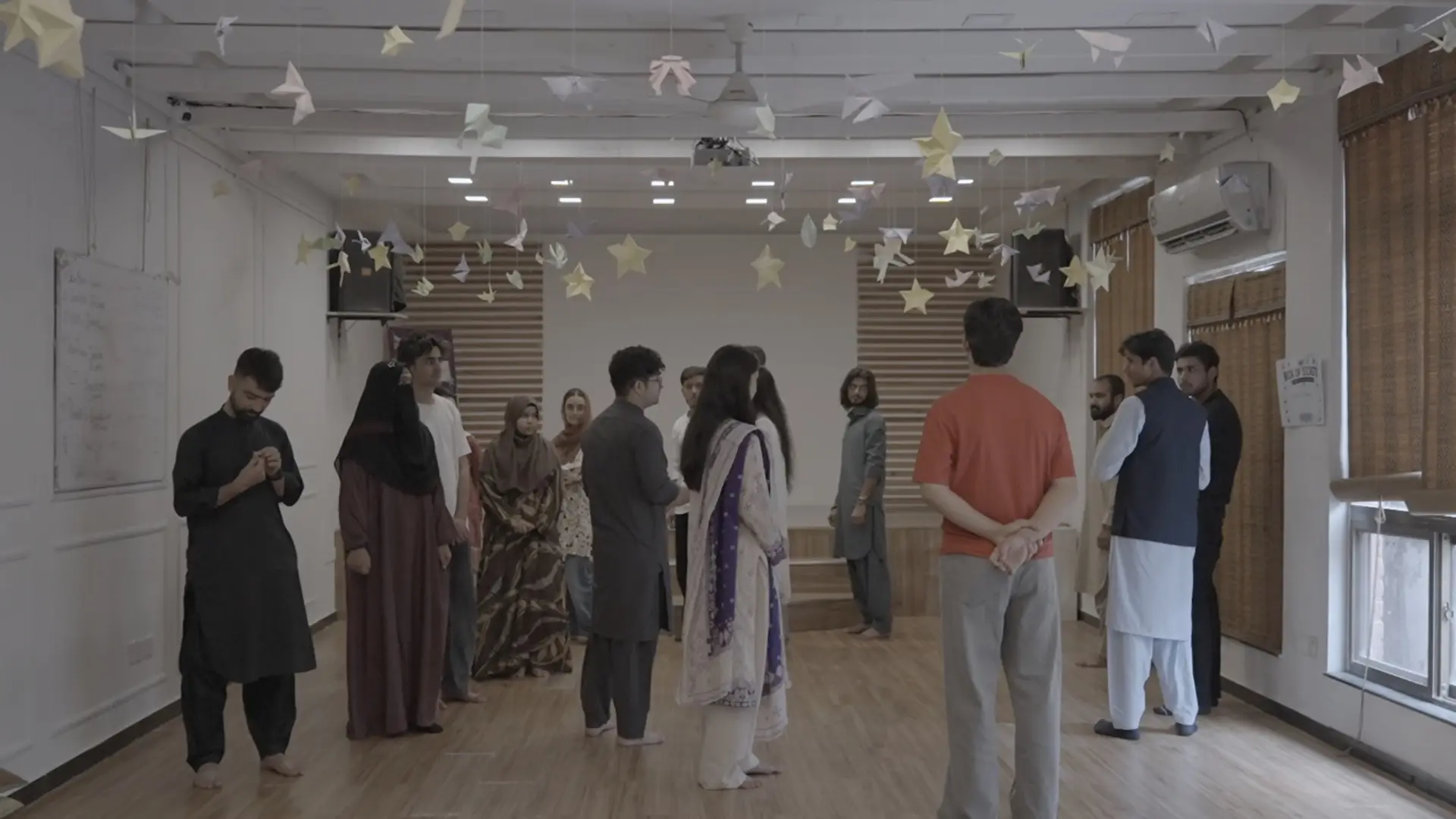
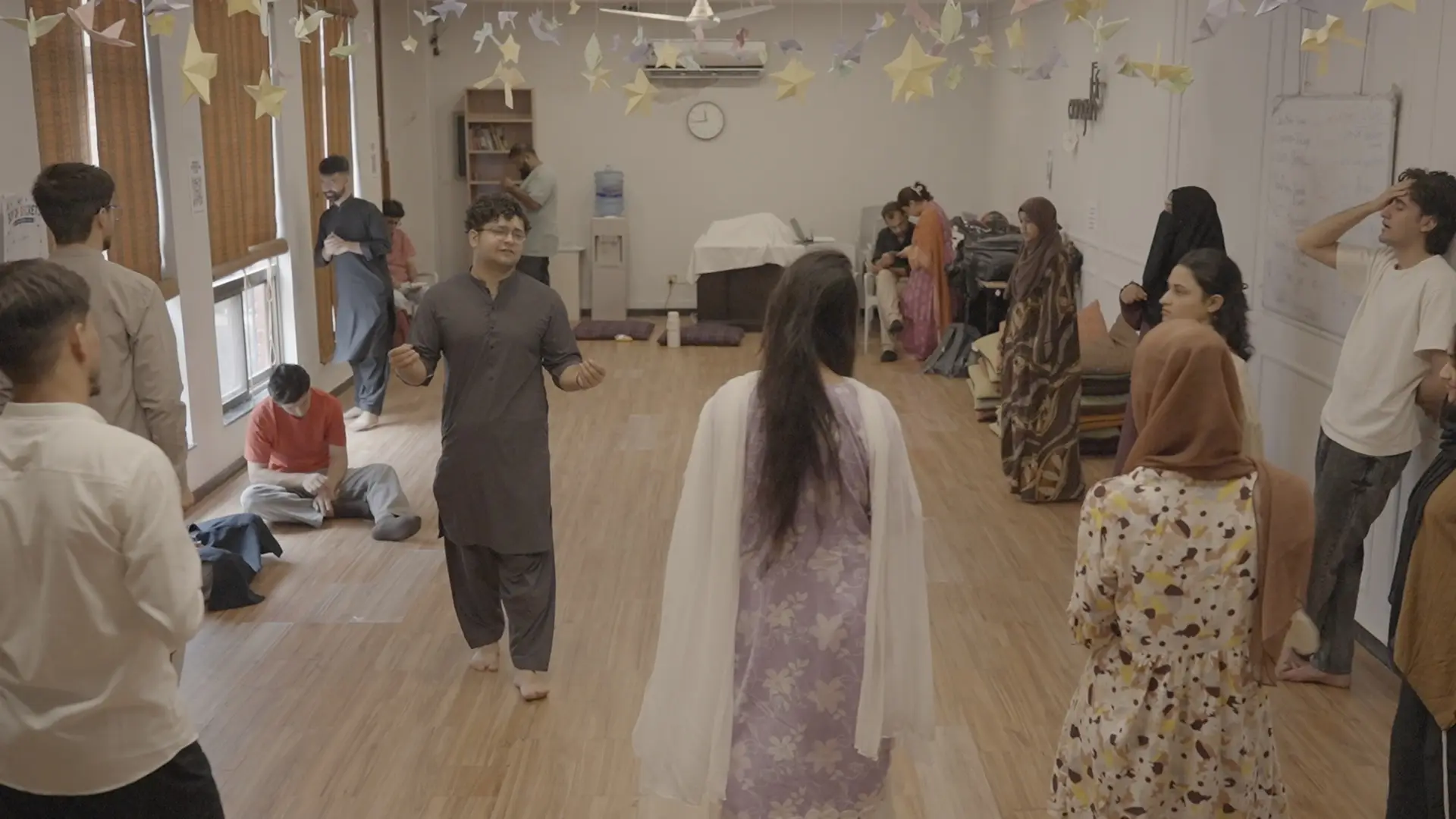
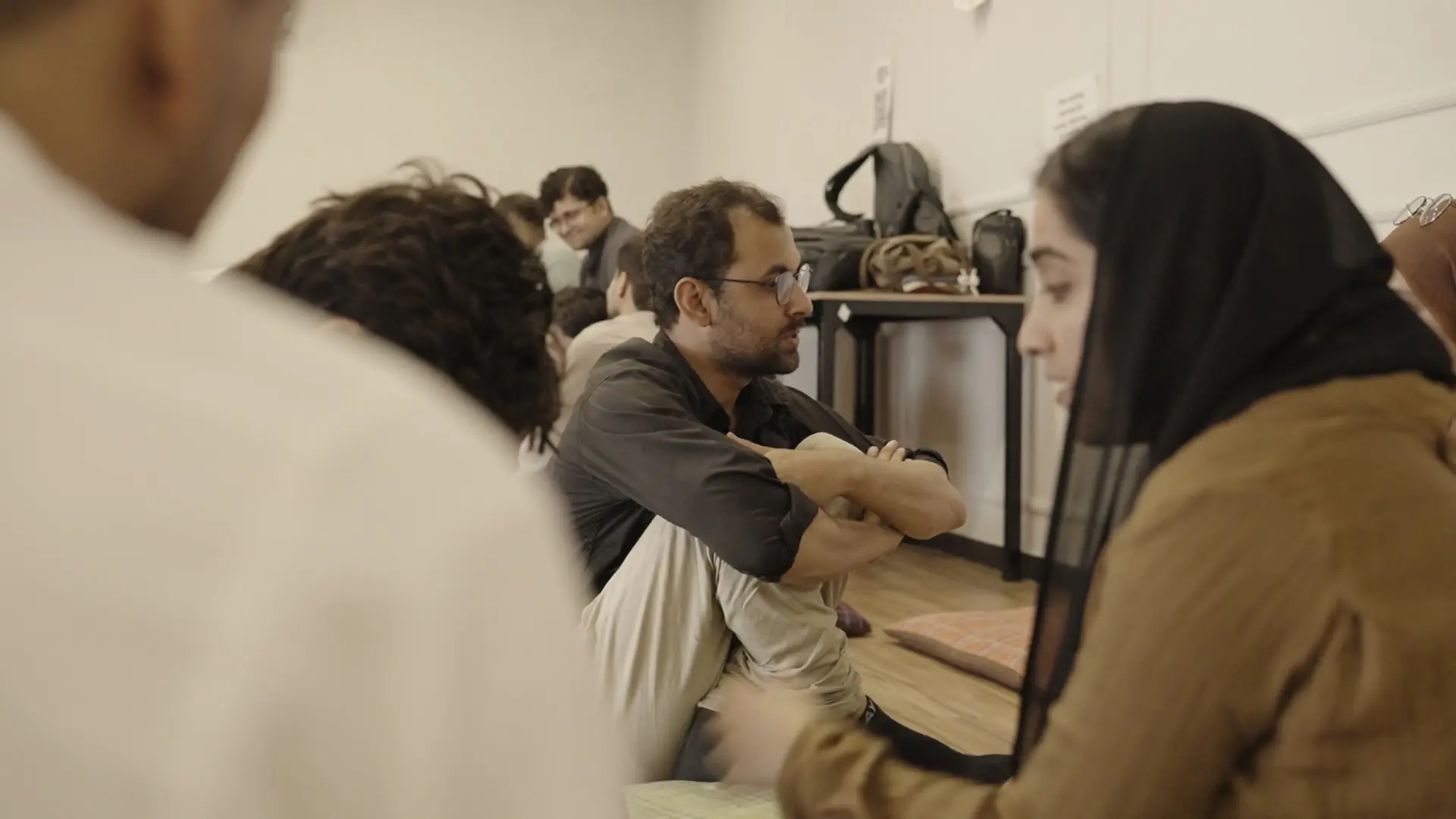
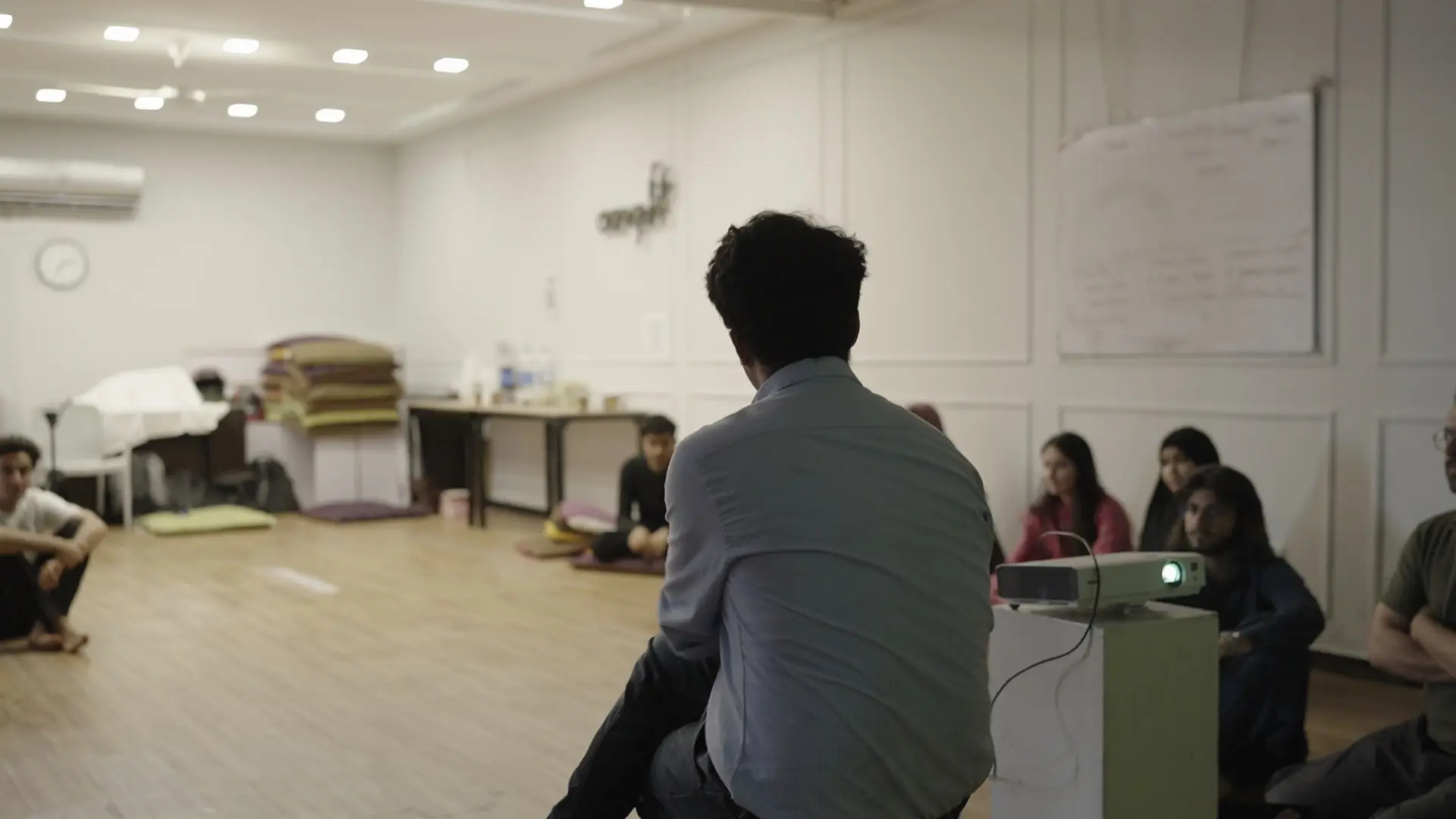
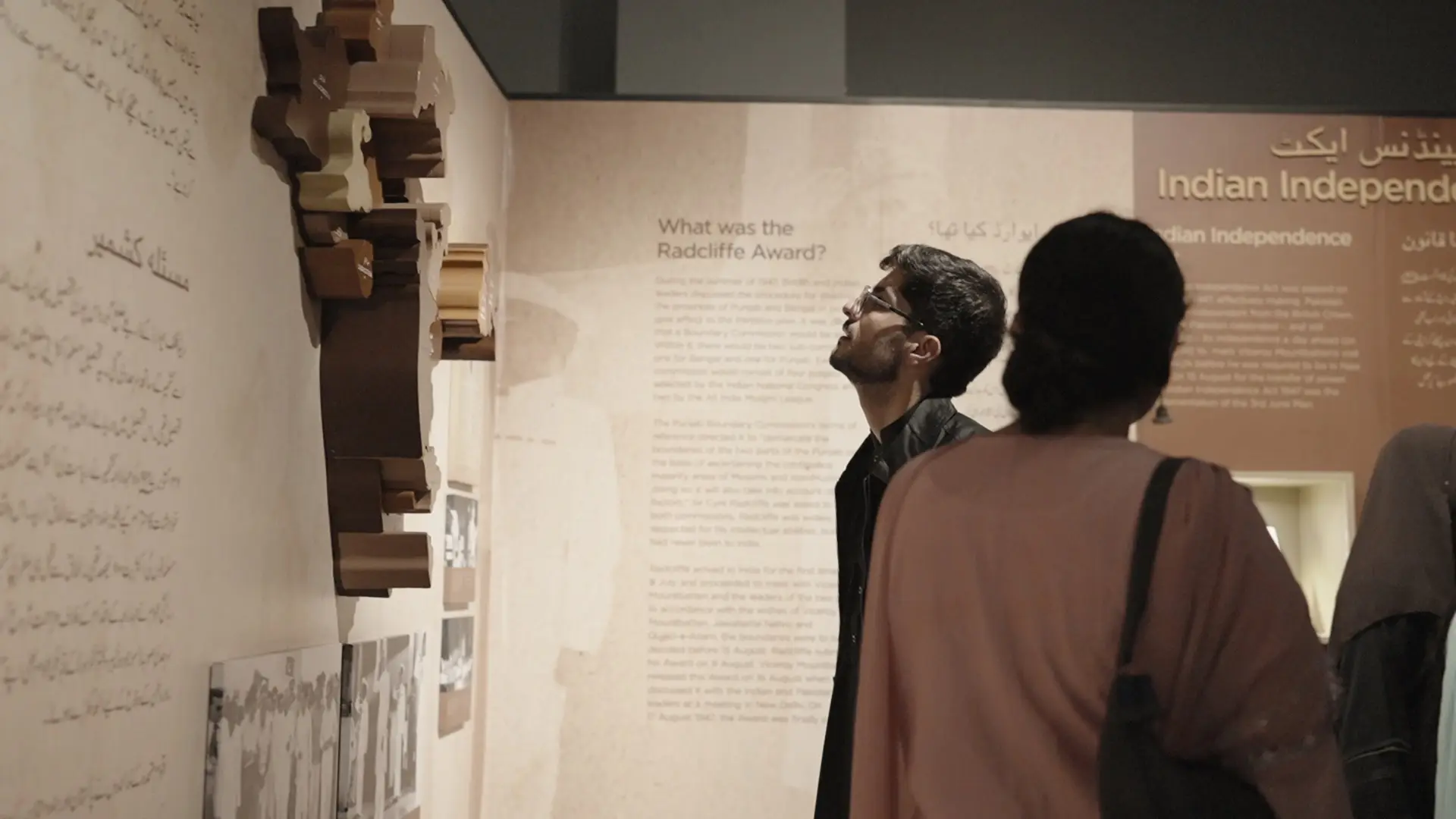
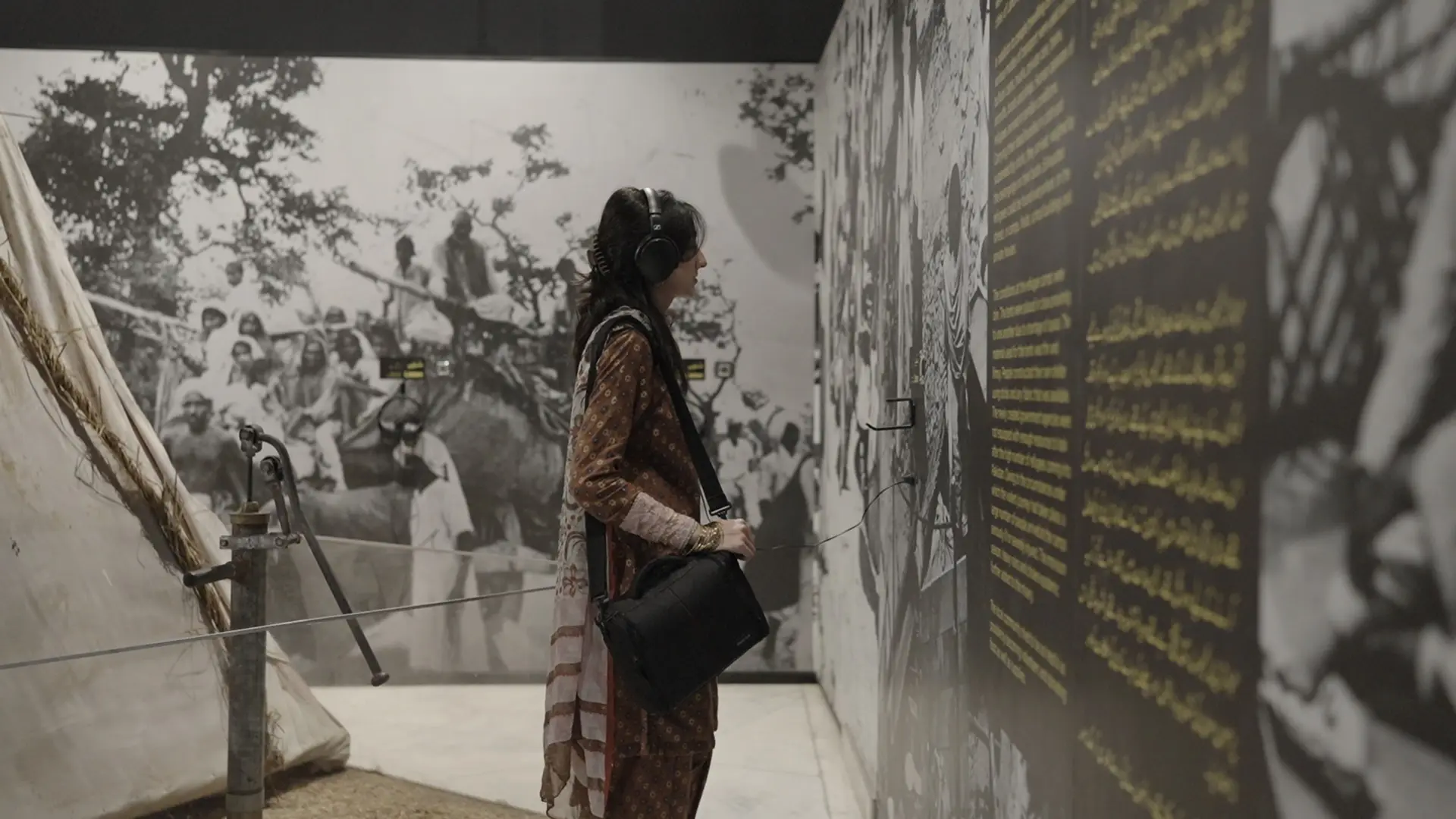
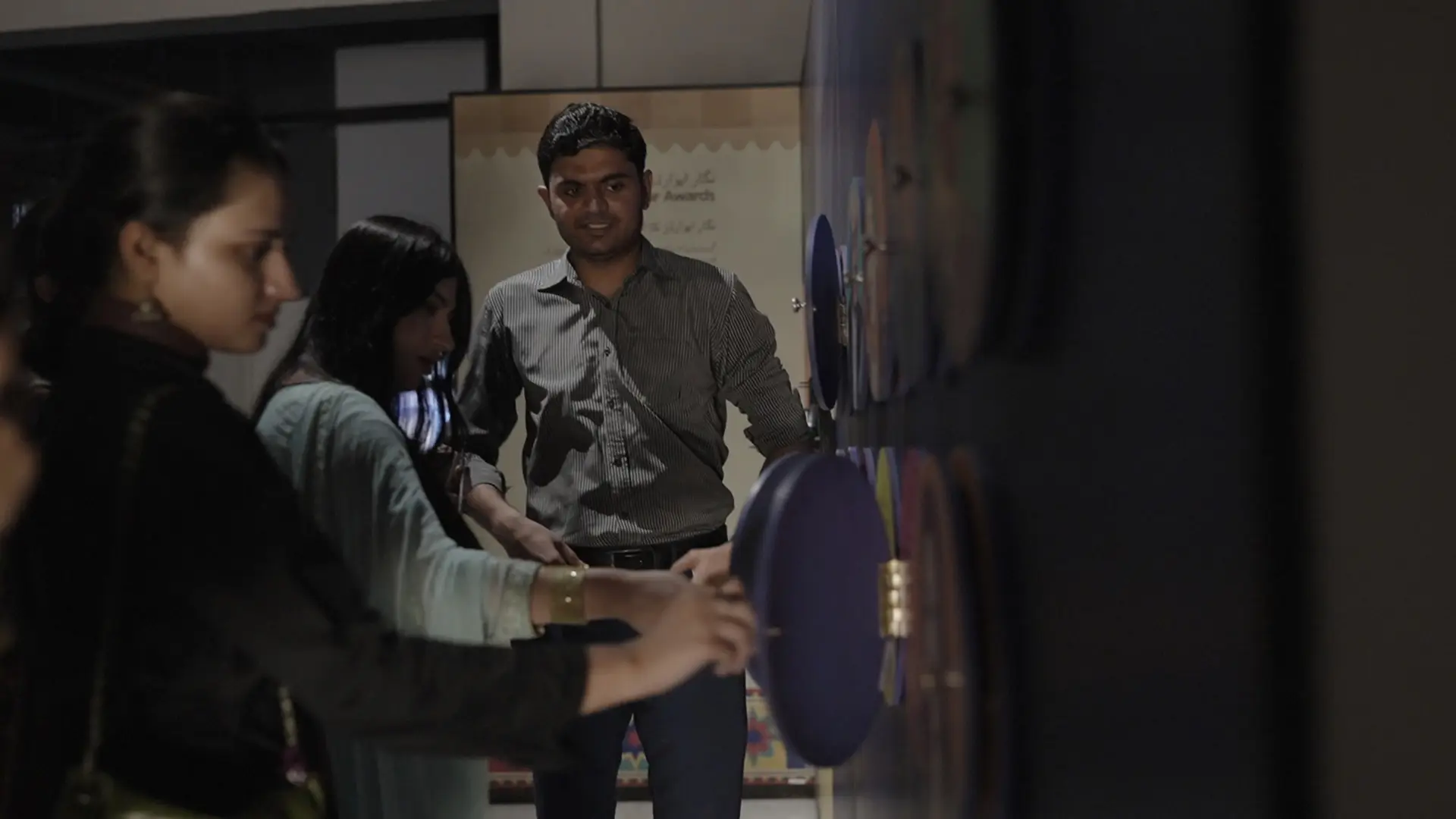
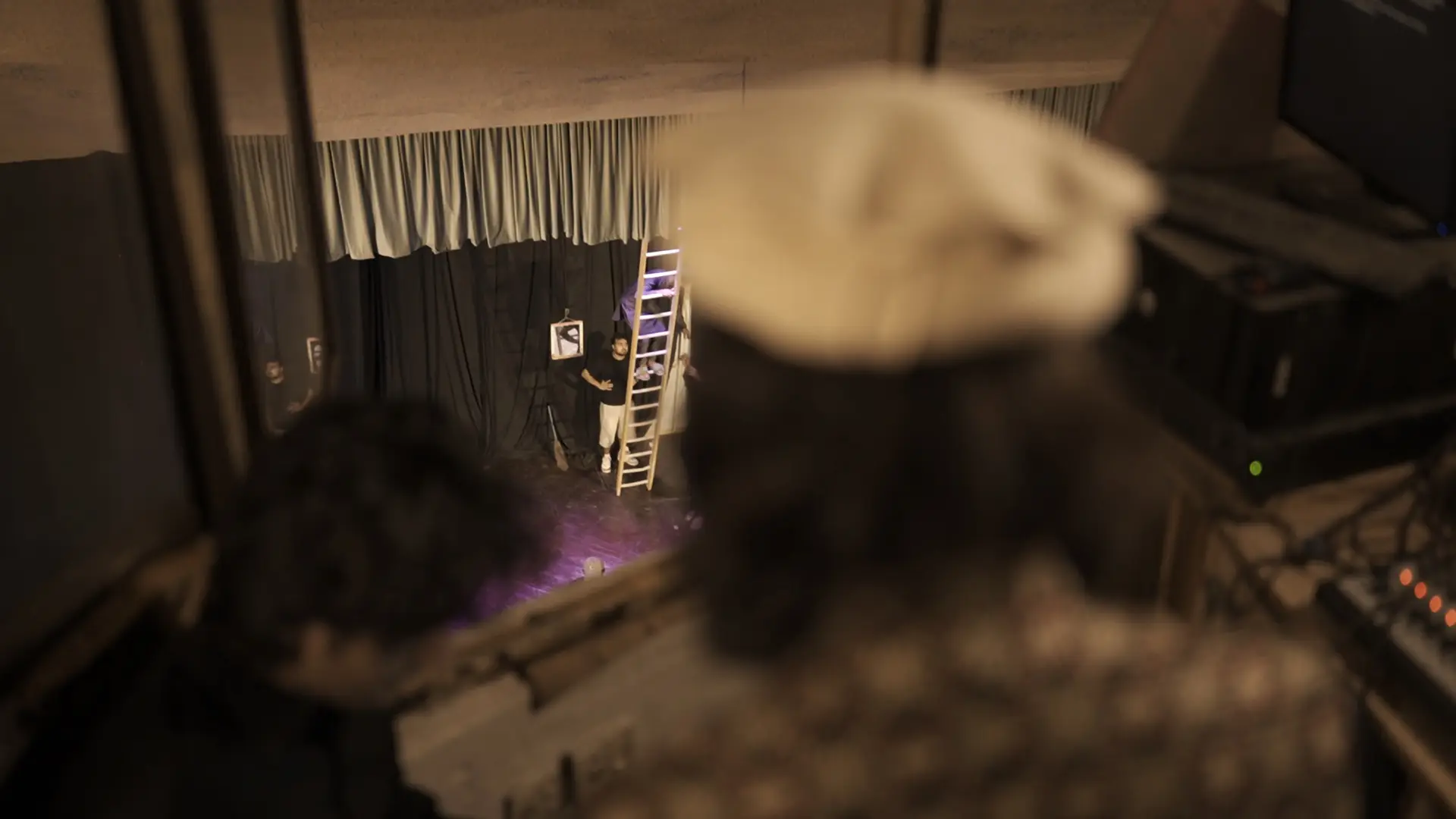
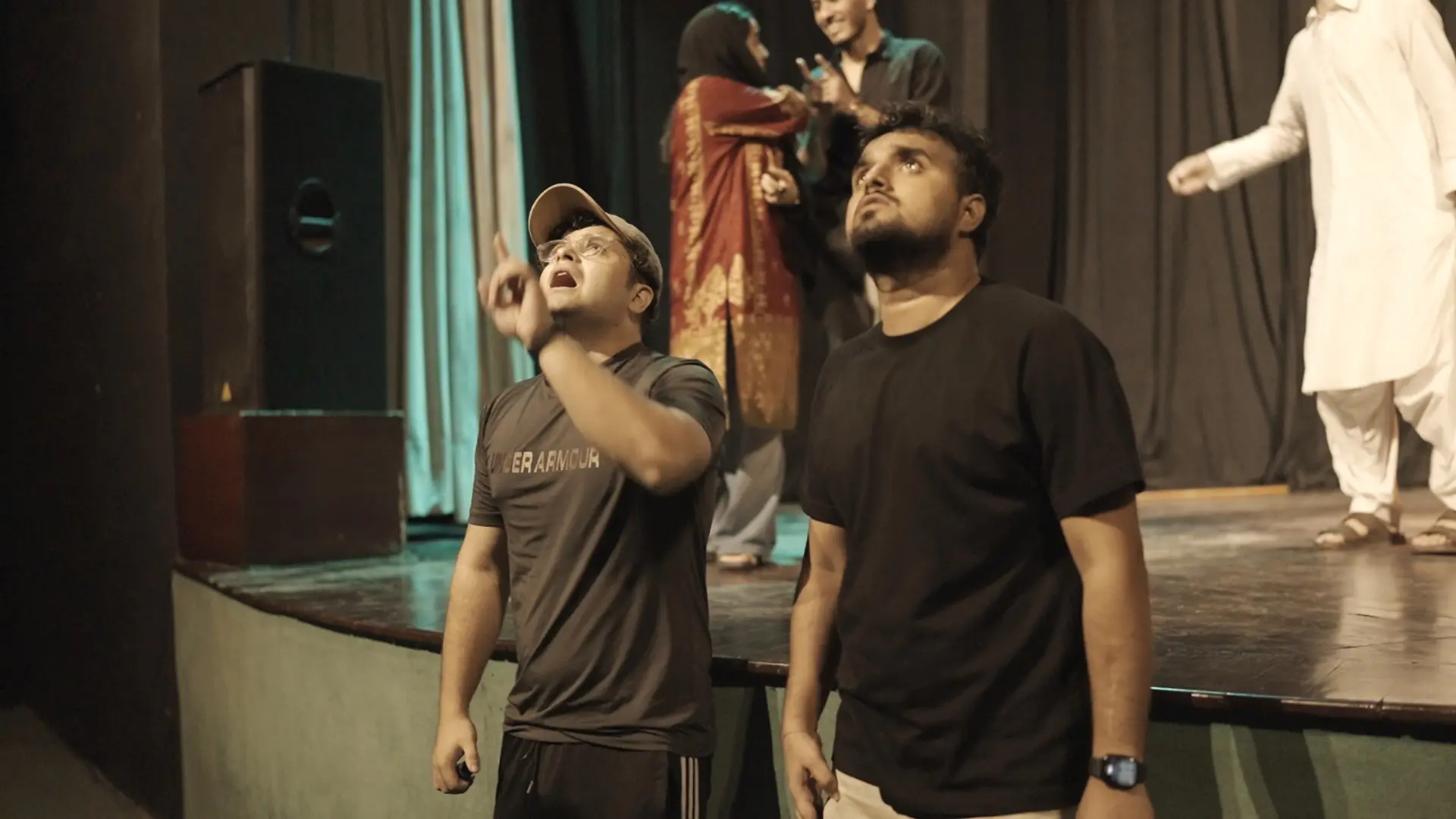
A workshop circle at Aangun, the hall that hosted the sessions and theatre labs.آنگن میں ورکشاپ کا دائرہ: وہی ہال جس نے سیشنز اور تھیٹر لیبز کی میزبانی کی۔A theatre-lab exercise in the Aangun hall.آنگن کے ہال میں ایک تھیٹر لیب کی مشق۔Guided dialogue: an uninterrupted turn, and a room practicing how to listen.رہنمائی شدہ مکالمہ: بلا مداخلت اپنی بات، اور سننا سیکھتا کمرہ۔A facilitated session in the workshop hall.ورکشاپ ہال میں ایک رہنمائی شدہ سیشن۔At a museum of Partition: the Radcliffe Award, the award that redrew the map.پارٹیشن کے عجائب گھر میں: ریڈکلف ایوارڈ، وہ فیصلہ جس نے نقشہ بدل دیا۔An oral-history listening station: Partition heard firsthand, the way the project asks its participants to hear each other.زبانی تاریخ کی سماعی جگہ: پارٹیشن براہِ راست سنتے ہوئے، اسی طرح جیسے منصوبہ شرکاء سے ایک دوسرے کو سنانے کا کہتا ہے۔Hands-on history during the field visit.تعلیمی دورے کے دوران عملی تاریخ۔Khaak opened the evening at Alhamra, August 8.خاک نے الحمرا میں شام کا آغاز کیا، ۸ اگست۔The play itself: a scene from Hate for Sale, performed by the participants.خود ڈراما: نفرت برائے فروخت کا ایک منظر، شرکاء کی پیشکش میں۔The closing night, from the wings.اختتامی شام، اسٹیج کے کنارے سے۔Backstage on the night: when venue problems surfaced, the Punjabi and Pashtun participants worked as one crew to protect the show.اُس شام کا پسِ منظر: جب مقام کے انتظامی مسائل سر اٹھائے تو پنجابی اور پشتون شرکاء نے ایک ٹیم کی طرح مل کر اپنے ڈرامے کا بندوبست کیا۔
Reflectionغور و فکر
What the summer taught, in the project team's own account.اس گرمیوں نے کیا سکھایا، منصوبے کی ٹیم کے اپنے الفاظ میں۔
The project's most useful lessons came from the moments it had not planned for.منصوبے کے سب سے کارآمد سبق اُن لمحوں سے ملے جن کی اس نے منصوبہ بندی نہیں کی تھی۔
As the conversations deepened and touched sensitive questions of identity, even the most educated participants began talking over each other, interrupting, jumping to conclusions. Open debate was turning into a shouting match, so the team adapted mid-project and brought in structured, mediated dialogue: every person guaranteed an uninterrupted turn to speak, without feeling attacked.جب جب مکالمے گہرائی میں جاتے اور شناخت کے نازک سوالوں کو چھوتے، تو سب سے پڑھے لکھے شرکاء بھی ایک دوسرے کی بات کاٹنے لگتے، اڈیک کرنے لگتے، نتیجے پر پہنچ جانے کی جلدی کرتے۔ کھلی بحث چیخ چپ کی لڑائی بنتی جا رہی تھی، چنانچہ ٹیم نے منصوبے کے درمیان ہی ڈھال لیا اور منظم، رہنمائی شدہ مکالمے متعارف کروائے: ہر شخص کو بلا مداخلت بولنے کی ضمانت، بغیر اس احساس کے کہ وہ حملے کا ہدف ہے۔
Facilitation itself became a studied craft. In heated debates, a few participants made controversial points and then doubled down to save face, even when they knew they were off-base. Calling them out publicly would have shut them down. The facilitators learned to offer gentle, non-judgmental graceful exits instead, letting a person adjust their view without embarrassment. The insight held: real peacebuilding requires spaces where people can back down with their dignity intact.سہولت کاری خود ایک سیکھی ہوئی مہارت بن گئی۔ گرم بحثوں میں کچھ شرکاء متنازع نکات اٹھاتے اور پھر اپنی عزت بچانے کے لیے اُن پر ڈٹے رہتے، حتیٰ کہ جب وہ خود جانتے کہ بات ان کے حق میں نہیں۔ کھلے طور پر انہیں غلط ثابت کرنا انہیں خاموش کر دیتا۔ سہولت کاروں نے سیکھا کہ اس کے بجائے نرم، غیر فیصلہ کن «شائستہ راستے» دیے جائیں تاکہ انسان شرمندہ ہوئے بغیر اپنا مؤقف درست کر سکے۔ یہ بات ٹھہری: حقیقی قیامِ امن کے لیے ایسے ماحول چاہیے جہاں لوگ اپنی عزتِ نفس برقرار رکھتے ہوئے پیچھے ہٹ سکیں۔
The clearest proof arrived on the night of the final show, when venue-management problems surfaced at the theater without warning. The cohort did not split into two camps. The Punjabi and Pashtun participants teamed up as one crew and solved the problem together to protect their show.سب سے واضح گواہی آخری شام ملی، جب تھیٹر میں مقام کے انتظامی مسائل بغیر کسی وارننگ سر اٹھائے۔ کوہڑ دو مخیموں میں نہ بٹا۔ پنجابی اور پشتون شرکاء ایک ٹیم بن گئے اور مل کر مسئلہ حل کیا تاکہ اپنا ڈراما بچ سکے۔
“This project reshaped how I view the world. I don't see people as a culture, but as individuals with their own complicated stories. I used to think I was completely free of bias, but running these sessions made me revisit my own unconscious assumptions. Unpacking those habits was humbling, but it showed me that building peace always starts with looking inward.””اس منصوبے نے دنیا کو دیکھنے کا میرا انداز ہی بدل دیا۔ اب میں لوگوں کو کوئی کلچر نہیں دیکھتی، بلکہ ایسے افراد کے طور پر دیکھتی ہوں جن کی اپنی پیچیدہ کہانیاں ہیں۔ میں سمجھتی تھی کہ میں تعصب سے بالکل پاک ہوں، لیکن ان سیشنز کو چلانے نے مجھے میری اپنی لاشعوری مفروضوں پر نظر دوبارہ ڈالنے پر مجبور کیا۔ ان عادتوں کو کھولنا شرمندگی تھا، لیکن اس نے مجھے یہ دکھایا کہ امن کی تعمیر کا آغاز ہمیشہ اندر جھانکنے سے ہوتا ہے۔“
Peace, in practice, came to mean something specific: being genuinely kind, listening actively, and giving someone the room to finish their thought without jumping to judge them. Actively unlearning the quiet hostilities we inherit.عمل میں امن کا مطلب کچھ مخصوص بنا: سچی مہربانی، توجہ سے سننا، اور کسی کو اپنی بات مکمل کرنے کی گنجائش دینا بغیر فیصلہ سنانے کی جلدی کے۔ اور ان خاموش دشمنیوں کو بھولتے جانا جو ہمیں ورثے میں ملتی ہیں۔
An idea to carryآگے لے جانے والا خیال
The method is the project's real product. Hate for Sale closed one summer; the idea is built to travel.منصوبے کی اصل پیداوار اس کا طریقہ ہے۔ نفرت برائے فروخت نے ایک گرمیوں کا اختتام کیا؛ یہ خیال سفر کے لیے بنا ہے۔
In brief: bring together two communities that have learned to joke about each other, eight young people from each side, in one room with floor cushions instead of chairs. Let licensed psychologists hold the room. Let theatre do what argument cannot: require each participant to physically inhabit a story from the other side. Let structured dialogue give everyone an uninterrupted turn. Then open the doors and let them perform what they built to the public.باختصار: دو ایسی برادریوں کو یکجا کریں جنہوں نے ایک دوسرے پر لطیفے بنانا سیکھ لیا ہو، ہر طرف سے آٹھ نوجوان، ایک ایسے کمرے میں جہاں کرسیوں کی جگہ فرش کے تکئے ہوں۔ بااختیار ماہرینِ نفسی کو کمرہ سنبھالنے دیں۔ تھیٹر کو وہ کرنے دیں جو دلیل نہیں کر سکتی: ہر شریک پر لازم کریں کہ وہ دوسری طرف کی ایک کہانی میں جسمانی طور پر داخل ہو۔ منظم مکالمے سے ہر ایک کو بلا مداخلت اپنی بات کی ضمانت دیں۔ پھر دروازے کھول دیں اور انہیں جو بنایا، سب کے سامنے پیش کرنے دیں۔
It asks little of the places it could go next: a hall, two cohorts, trained facilitators, licensed psychological support, civilian material, and a stage at the end. The raw material is everywhere letters, diaries, and family stories are. The shape of the calendar is itself a finding: the workshops need eight intense weeks, and the months around them need patience for planning, team, and logistics.اگلے منزلوں کے لیے یہ خیال بہت کم مانگتا ہے: ایک ہال، دو گروہ، تربیت یافتہ سہولت کار، بااختیار نفسیاتی معاونت، شہری مواد، اور اختتام پر ایک اسٹیج۔ خام مواد وہاں بھی موجود ہے جہاں خطوط، ڈائریاں اور خاندانی کہانیاں ہیں۔ کیلنڈر کی شکل خود ایک سبق ہے: ورکشاپس کو آٹھ مضبوط ہفتے چاہیے، اور اُن کے گرد کے مہینوں کو منصوبہ بندی، ٹیم اور انتظام کے لیے صبر چاہیے۔
This page is an open account of one attempt, written so that others can pursue the same idea in search of harmony: in other cities, between other communities, at other scales. When the films arrive at the end of September, they will carry the method further than this page can.یہ صفحہ ایک کوشش کا کھلا احوال ہے، اس ارادے سے لکھا گیا کہ دوسرے بھی اسی خیال کو ہم آہنگی کی تلاش میں آگے بڑھا سکیں: دوسرے شہروں میں، دوسری برادریوں کے درمیان، دوسرے پیمانوں پر۔ جب ستمبر کے اختتام پر فلمیں آئیں گی، وہ اس طریقے کو اس صفحے سے کہیں آگے لے جائیں گی۔
The people carrying the workاس کام کو آگے بڑھانے والے لوگ
Umar Zafar
Project Leadپراجیکٹ لیڈ
Graduate student at Johns Hopkins SAIS and resident of the International Student House of Washington, DC, where this project was written. Raised in Punjab, he splits the work between the city where policy about this region is written and the city where its consequences are lived.جانز ہاپکنز SAIS کے گریجویٹ طالب علم اور واشنگٹن ڈی سی کے انٹرنیشنل اسٹوڈنٹ ہاؤس کے رہائشی، جہاں یہ منصوبہ تحریر ہوا۔ پنجاب میں پلے بڑھے؛ یہ کام اُس شہر کے درمیان پھیلا ہے جہاں خطے کے بارے میں پالیسی لکھی جاتی ہے اور اُس شہر کے، جہاں اس کے نتائج جیے جاتے ہیں۔
Muhammad Sohail
Project Co-Leadشریک پراجیکٹ لیڈ
Muhammad Sohail holds a B.S. in Political Science from Forman Christian College, Lahore. He grew up in Wana, South Waziristan, Khyber Pakhtunkhwa, shaped early by the absence of governance and the absence of peace. Both became the texture of his childhood, and later, his work. He learned early what the absence of governance costs a people, and what peace costs when no one builds toward it. He has spent his career since trying to close both gaps. As Project Co-Lead, he shares leadership of the project across planning, coordination, and delivery.محمد سہیل نے فارمن کرسچن کالج، لاہور سے پولیٹیکل سائنس میں بی ایس کیا۔ ان کی پرورش وانا، جنوبی وزیرستان، خیبر پختونخوا میں ہوئی، جہاں حکمرانی کی غیر موجودگی اور امن کی غیر موجودگی نے انہیں ابتدا ہی میں تشکیل دیا۔ یہ دونوں ان کے بچپن کا، اور بعد ازاں ان کے کام کا خمیر بن گئے۔ انہوں نے بہت جلد جان لیا کہ حکمرانی کا نہ ہونا کسی قوم کو کیا قیمت چکاتا ہے، اور امن کی قیمت کیا ہوتی ہے جب کوئی اس کی تعمیر نہ کرے۔ اس کے بعد سے انہوں نے اپنا کیریئر انہی دو خلاؤں کو پُر کرنے میں صرف کیا ہے۔ بطور شریک پراجیکٹ لیڈ، وہ منصوبہ بندی، رابطہ کاری اور عمل درآمد میں منصوبے کی قیادت میں شریک ہیں۔
Arooj Khan
Project Coordinatorپراجیکٹ رابطہ کار
Coordinates the project, keeping the calendar, participants, and venue work aligned.منصوبے کے شیڈول، شرکاء اور مقام سے متعلق کام کو مربوط رکھتی ہیں۔
Abdul Muqadim
Project Management Leadسربراہِ پراجیکٹ مینجمنٹ
Leads operational planning and delivery for the sessions and public performance.سیشنز اور عوامی پرفارمنس کی عملی منصوبہ بندی اور انتظام کی قیادت کرتے ہیں۔
Salman Tahir
Theater Leadسربراہِ تھیٹر
Leads the theatre work: staging, rehearsal, and the direction of the performance.تھیٹر کے کام کی قیادت کرتے ہیں: اسٹیجنگ، ریہرسل اور پرفارمنس کی ہدایت کاری۔
Dr. Maheen Asif
Trauma Psychologistماہرِ نفسیات، صدمہ
Leads the reflective half of the sessions, the quieter work that follows the theatre exercises, and holds the room when the material turns personal.سیشنز کے غور و فکر والے حصے کی قیادت کرتی ہیں: وہ خاموش تر کام جو تھیٹر کی مشقوں کے بعد آتا ہے، اور جب بات ذاتی ہو جائے تو کمرے کو سنبھالتی ہیں۔
Dr. Waqas Hasan
Community Psychologistماہرِ نفسیات، سماجی
Supports the group dynamics of two cohorts learning to share one room, and advises the facilitation team on how each session lands.دو گروہوں کے ایک ہی کمرہ بانٹنا سیکھنے کے دوران گروپ کی نفسیات کو سہارا دیتے ہیں، اور سہولت کار ٹیم کو بتاتے ہیں کہ ہر سیشن کا اثر کیا رہا۔
The film crewفلمی ٹیم
Uzair
Cinematographyسینیمیٹوگرافی
Hamza Khan
Documentary directionدستاویزی ہدایت
Theoretical inspirationsفکری سرچشمے
Prof. Abigail Marsh
Georgetown University · Empathy and altruismجارج ٹاؤن یونیورسٹی · ہمدردی اور ایثار
Prof. Mohammed Abu-Nimer
American University · Peacebuilding and dialogueامریکن یونیورسٹی · قیامِ امن اور مکالمہ
Dr. Ned Lazarus
George Washington University · Youth dialogueجارج واشنگٹن یونیورسٹی · نوجوانوں کا مکالمہ
Dr. Ayse Kadayifci-Orellana
Georgetown University · Faith, narrative, and peacebuildingجارج ٹاؤن یونیورسٹی · عقیدہ، بیانیہ اور قیامِ امن
And to the volunteers, drivers, theatre artists, and quiet fixers whose names do not appear here: thank you.اور ان رضاکاروں، ڈرائیوروں، تھیٹر فنکاروں اور خاموش معاونین کا شکریہ جن کے نام یہاں درج نہیں۔
For questions, screenings, or to talk about running something like this where you are: mumerzafer@gmail.comسوالات، اسکریننگز، یا اپنے شہر میں ایسا کام شروع کرنے کی بات چیت کے لیے: mumerzafer@gmail.com
Hate for Sale closed Peacebuilding Through Theatrics & Dialogue, a Davis Projects for Peace initiative written at the International Student House of Washington, DC.نفرت برائے فروخت نے اُس منصوبے کا اختتام کیا جس کا نام تھیٹر اور مکالمے کے ذریعے قیامِ امن ہے: ڈیوس پراجیکٹس فار پیس کا ایک منصوبہ، جو واشنگٹن ڈی سی کے انٹرنیشنل اسٹوڈنٹ ہاؤس میں تحریر ہوا۔